 English
 Español
 Русский
 Français
 Deutsch
 عربي
عربي 中文
中文Library managers deal with constant collection preservation headaches every single day. A library is constructed with different functional areas to hold books, old manuscripts, audio-visual media and exhibition items, each demanding a fixed, stable temperature and humidity range. Beyond protecting literary collections, stable indoor temperature and humidity also directly affects readers’ experience and comfort. Too much moisture brings mould and bugs that permanently damage paper pages, while overly dry air cracks paper and washes out printed ink. Frequent manual inspections wastes plenty of manpower, random temperature shifts often slip between inspection rounds, and handwritten paper logs cannot meet the complete record demands of cultural heritage inspections. Freshliance Coeus-WiFi/4G real-time temperature and humidity data logger is made to fix all these real troubles libraries face in indoor climate control.
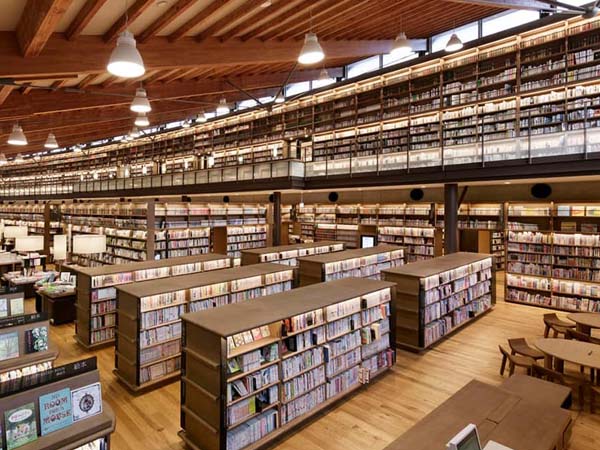
This wireless environmental monitoring system fits every corner of a library. Staff installs it on shelves or walls in minutes with no wiring work needed, and two connectivity options bring flexible deployment: WiFi model connects to wireless WiFi networks of the building, while 4G model with embedded a SIM card works for remote branch libraries or old heritage buildings where new cable laying is not allowed. Staff configure and leave the device running all year round to track minor daily temperature and humidity shifts. The built-in sensor covers -30℃ ~ + 60℃ and 0 ~ 100%RH, fully covering all temperature and humidity ranges libraries ever need for collection storage and public activity areas.
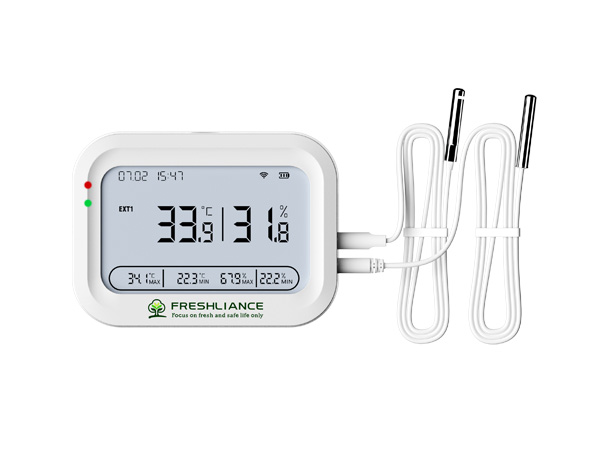
A backlit LCD screen lets librarians check real-time data, maximum and minimum values and battery status directly on site even in dimly lit rooms.
In addition to the Type-C power supply, each real-time temperature and humidity data logger carries a 2600mAh rechargeable lithium battery for flexibility. The backup battery enables high mobility across all zones with no interruption to data logging or monitoring continuity. If uploading data every 15min, the logger can continuously run for up to 60 days, greatly cutting down frequent charging work for scattered devices spread across multi-floor libraries. When WiFi or 4G signals cut off mid-operation, the logger can locally cache up to 120,000 readings, and synchronizes them to cloud automatically once the network recovers, so no records are lost.
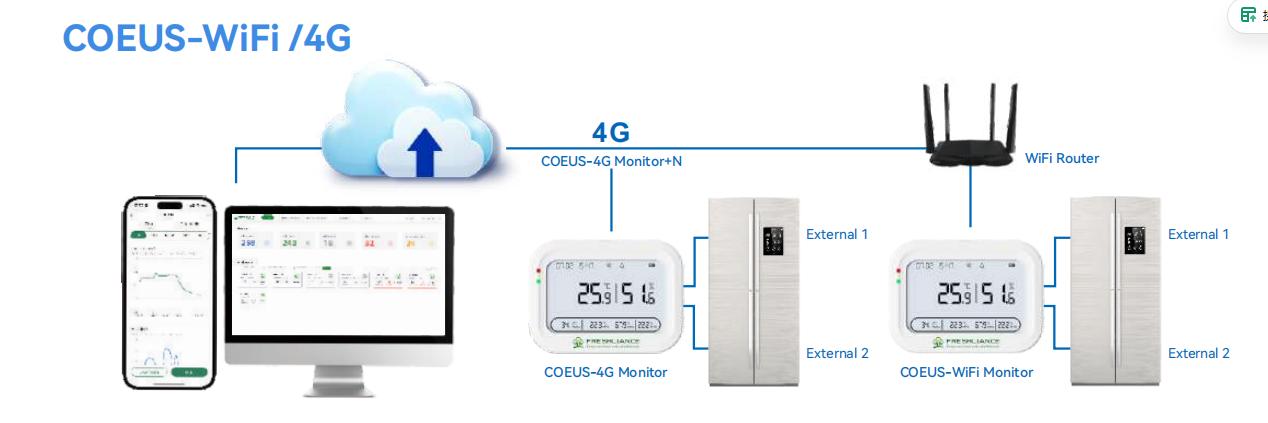
All captured data is securely uploaded to the cloud, accessible anytime through mobile phones or computers. Operators run multi-dimensional data analysis, export complete electronic record files for permanent filing, and set up automatic scheduled email reports on a daily, weekly or monthly basis to fully avoid old manual paper logging routines. If temperature or humidity drifts beyond safe standards, local buzzer and LED alarms activate on each logger, along with instant SMS, email and mobile push alerts sent to management personnel remotely. Remote low battery prompts are provided too. An open API interface supports direct connection with libraries’ existing internal management systems.
For library daily operation and collection protection, real-time temperature and humidity monitoring is indispensable. Freshliance Coeus-WiFi/4G real-time temperature and humidity data logger helps library staff get rid of tedious manual inspection and paper recording work. And it steadily maintains qualified storage and reading environment for all library areas, effectively protecting paper books, precious special collections and various multimedia materials from climate damage. Meanwhile, the complete, traceable digital monitoring records fully meet daily management and official preservation inspection requirements, bringing simpler, smarter and more reliable wireless environmental monitoring for libraries.