

How Fresh Tag 1 USB Temperature Data Logger Ensures -18°C Cold Chain for Shrimp Transport
Shipping premium seafood like Argentina Reds is essentially a high-stakes gamble with biological shelf life. You can invest millions in the best IQF equipment, but the moment that pallet rolls off your loading dock, you lose control. You're basically flying blind. In the seafood business, "frozen" isn't a one-time event—it’s a constant battle to hold that -18°C line across thousands of miles and way too many handovers.
The Big Lie of the Control Panel
There’s a common trap in the cold chain for shrimp transport: trusting the reefer’s dashboard. Just because the container's external display says -18C doesn't mean your shrimp are safe. That sensor is measuring the air near the ceiling, not the temperature deep inside your boxes. Experience tells us otherwise. Between the processing plant and the final warehouse, there are critical "blind spots"—the 4 hours on a scorching 35°C airport tarmac, the customs inspection where the container is left open, or the cross-docking in a humid distribution center.
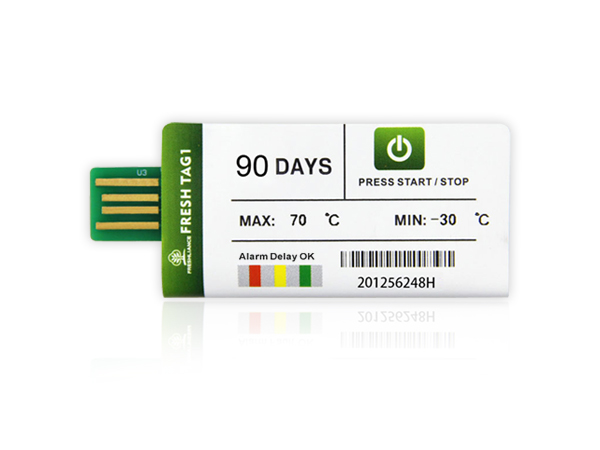
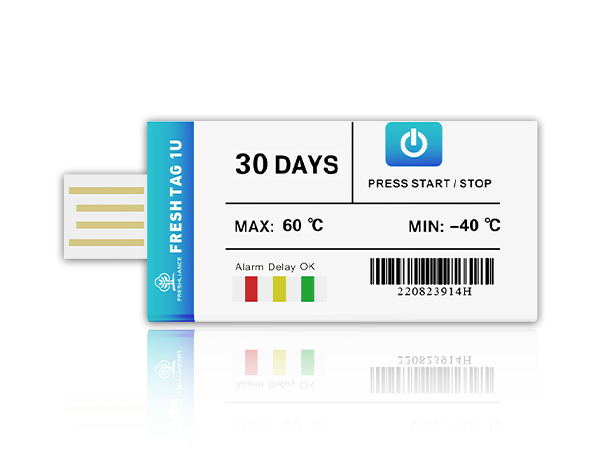
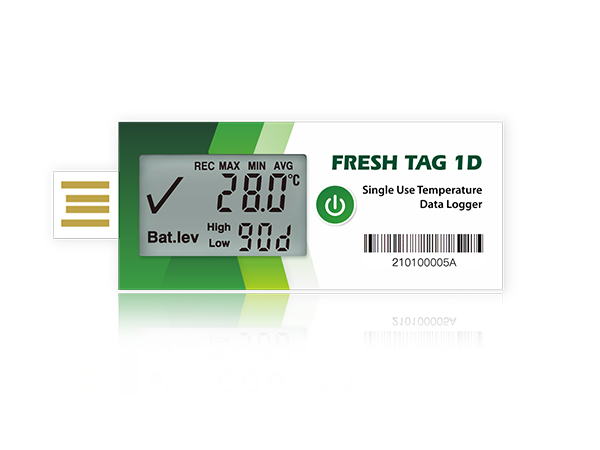
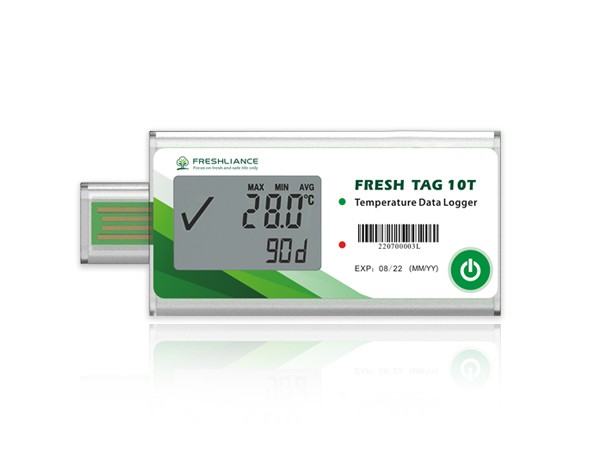
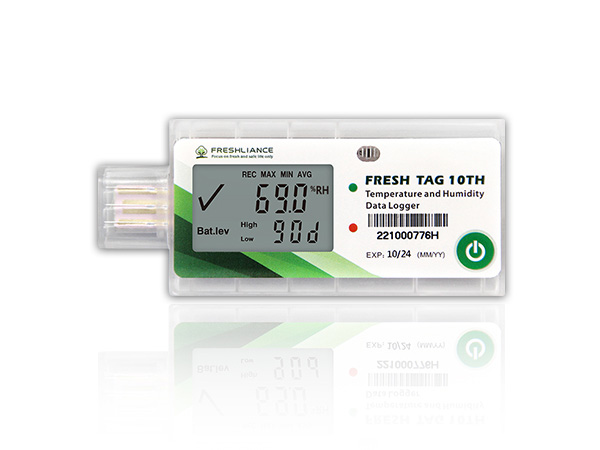
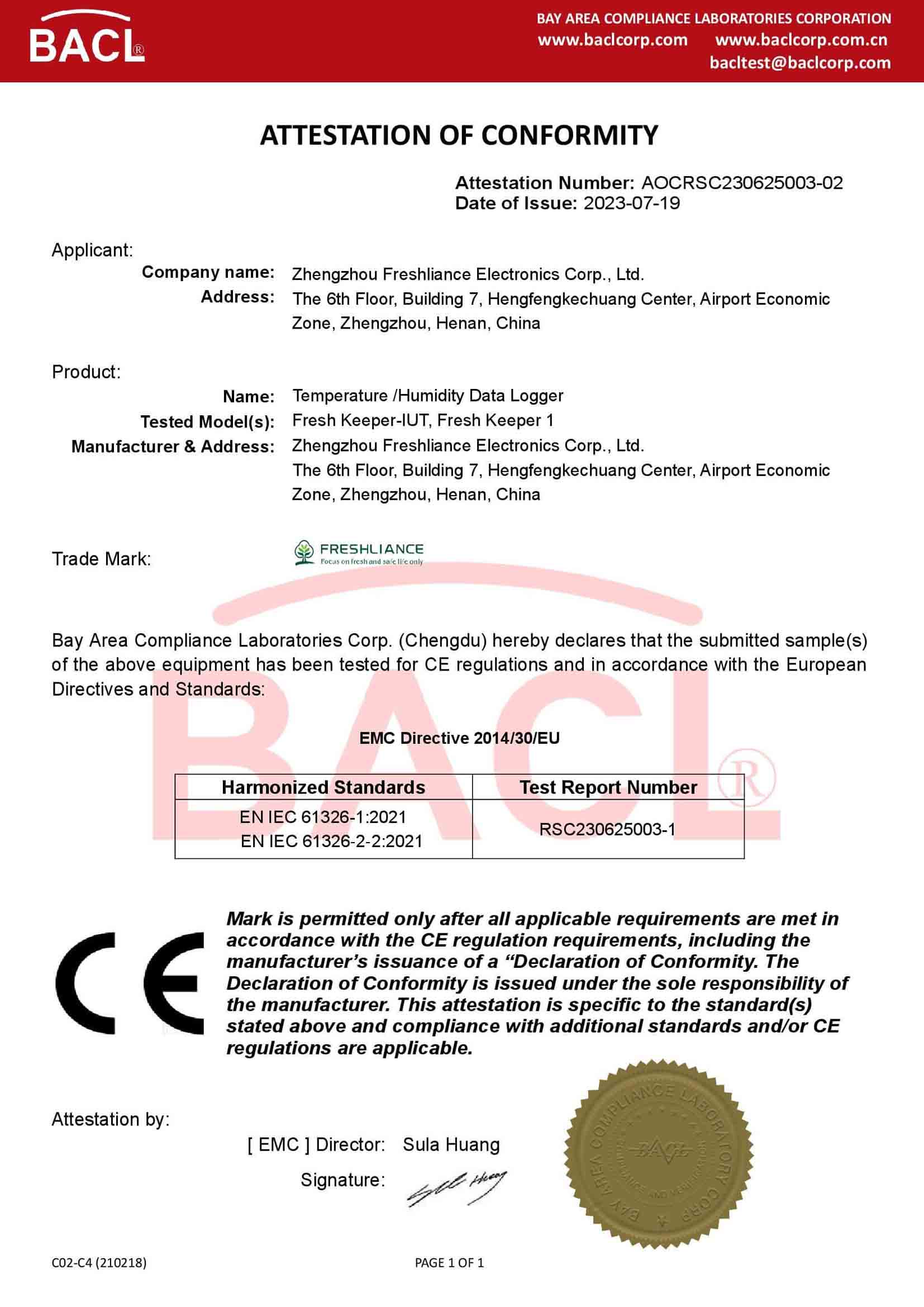
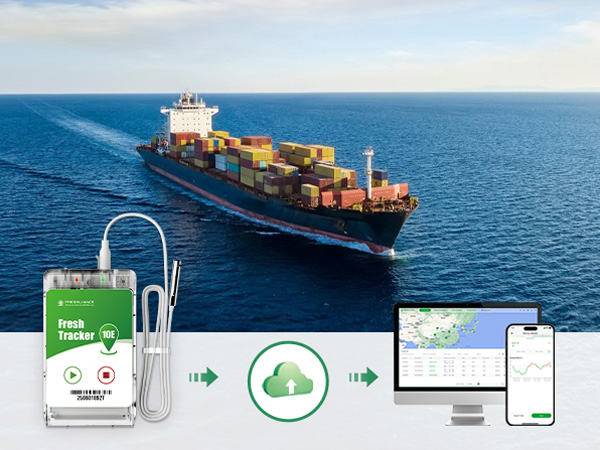
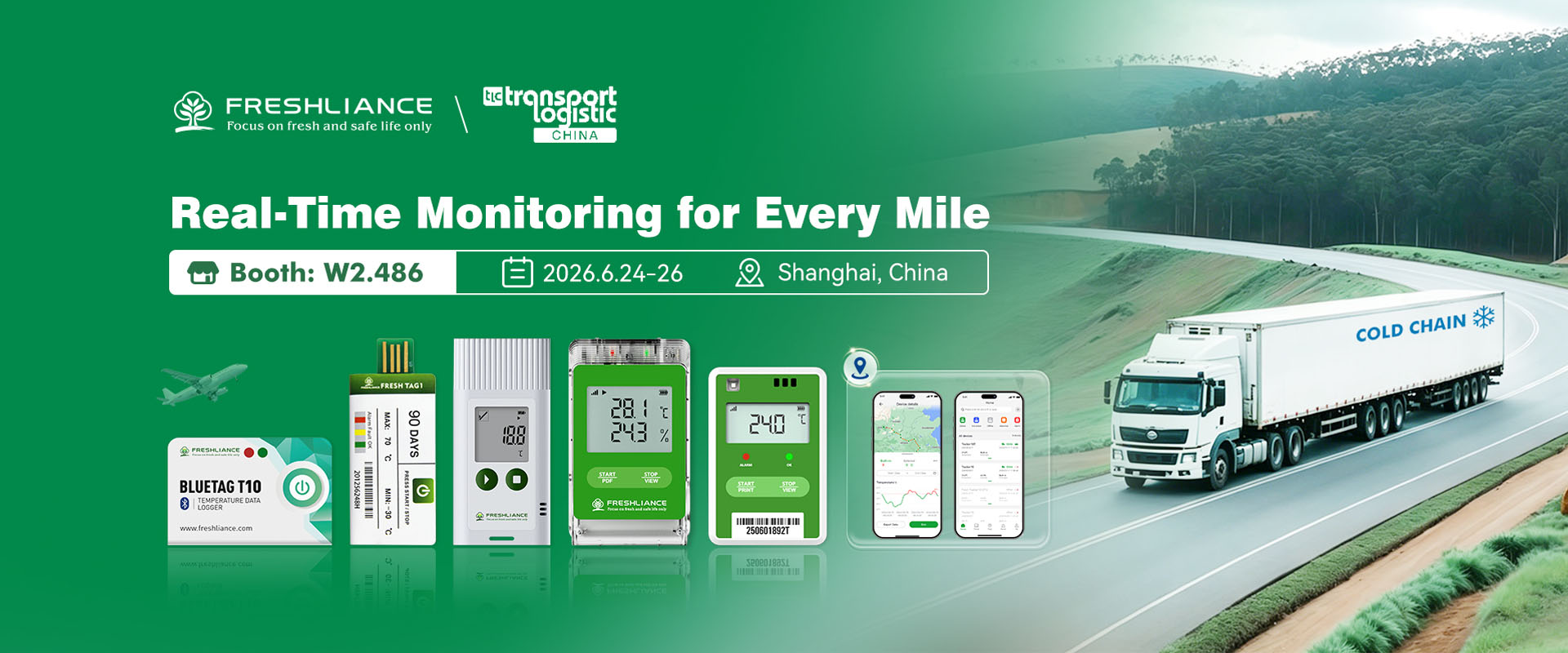
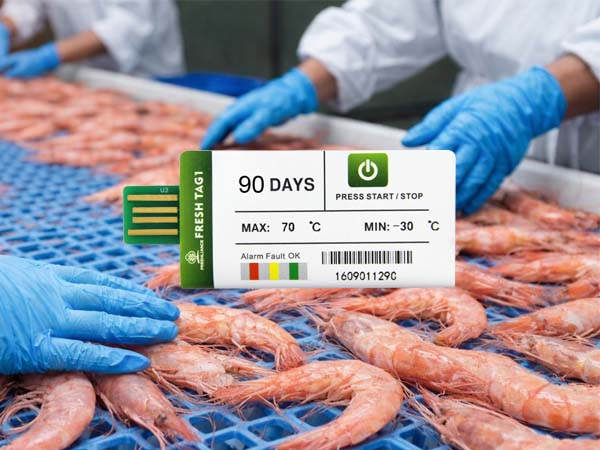
This is exactly why we developed the Fresh Tag 1 USB temperature data logger. It’s small enough to be tucked directly into the "heart" of a master carton, right among the ice and the product. While the truck’s sensor measures the air near the ceiling, the Fresh Tag 1 temperature data sensor measures the actual micro-environment surrounding your cargo.
Preventing the "Recrystallization" Disaster
The real threat to a container of frozen shrimp isn't always total spoilage—it’s the silent damage of recrystallization. Even a brief warm-up from -18C to -12C is enough to start the cycle. The tiny, harmless ice crystals within the shrimp tissues begin to melt slightly at the edges, and when the temperature drops again, they fuse into large, jagged "ice spikes."
By the time that box reaches a chef in Tokyo or London, the damage is done. They’ll see a carton filled with "ice snow," and once thawed, the shrimp will have a dry, rubbery texture because the cell walls were literally punctured by those growing ice crystals. It’s still "safe" food, but it’s no longer a "premium" product. This is where Fresh Tag 1 USB temperature data logger earns its keep. With its ±0.5°C accuracy and customizable logging intervals, you’re not just guessing; you have a high-resolution "heartbeat monitor" for your cargo. If those micro-fluctuations happen, you’ll know exactly when, where, and for how long.
Zero-Barrier Compliance for Global Trade
In international logistics, complexity is the enemy of efficiency. You can’t expect a busy port receiver or a restaurant chef to download drivers or sign up for a cloud platform just to check a shipment.
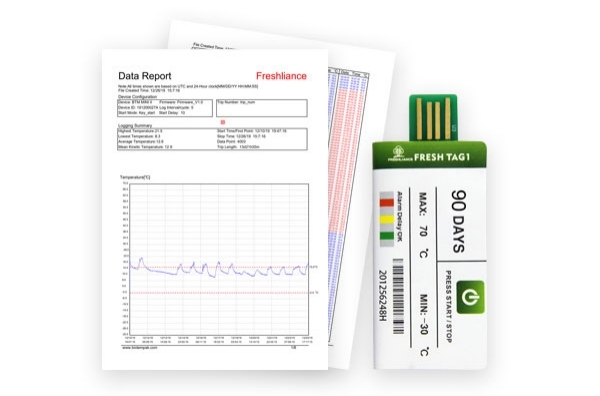
The Fresh Tag 1 USB temperature data logger is built for the "real world" of shipping. Upon arrival, the receiver simply tears off the waterproof bag and plugs the USB directly into a PC or even a smartphone. A comprehensive, encrypted PDF report is generated instantly. It’s a permanent, unalterable record that includes:
Detailed Graphs: Showing every dip and spike.
Exact Timestamps: Identifying exactly when a breach occurred.
Device Info: Ensuring the data is authentic and linked to that specific shipment.
Protecting Your Profit Margin
At the end of the day, a temperature logger is more than just a sensor; it’s an insurance policy for your reputation. When a buyer tries to claim a discount due to "poor quality," you can present the Fresh Tag 1 report as an undeniable witness.
Instead of worrying about quality disputes after delivery, you’re handing over a complete data trail that secures your payment. When you can back your shipment with a Fresh Tag 1, you aren't just making a claim—you're providing proof. This kind of transparency effectively ends the "blame game" between exporters and logistics providers. In the high-stakes seafood trade, consistent data is what builds a reputation, turning a single transaction into a long-term, reliable partnership.